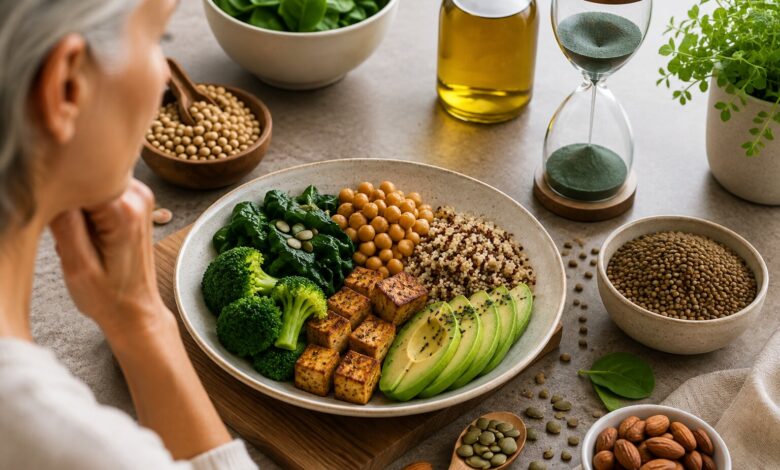
High-protein diets have dominated health trends for years, with fitness enthusiasts and wellness advocates often recommending elevated protein intake for muscle growth and weight management. However, emerging longevity research suggests that the hyper-focus on high protein consumption may not align with long-term biological health. A comprehensive scientific review reveals that eating less protein could actually activate vital cellular repair mechanisms, improve metabolic flexibility, and support a longer, healthier lifespan.
While protein remains an essential nutrient for basic physiological functions, modern dietary habits frequently exceed what the human body requires for optimal longevity. Shifting from maximum protein consumption to moderate, strategic intake may offer profound anti-aging benefits without sacrificing muscle function or vital energy.
Key Takeaways
- Cellular Longevity: Moderate protein restriction helps trigger biological pathways, such as autophagy, that clear cellular damage and slow biological aging.
- Enhanced Metabolic Health: Lowering protein intake to balanced levels improves metabolic flexibility, aiding in better insulin sensitivity and energy regulation.
- Over-Consumption Risks: High-protein diets can overstimulate growth signals like mTOR, which accelerates cellular aging when continuously active.
- Quality Over Quantity: Focusing on nutrient-dense, plant-leaning protein sources offers longevity advantages over excessive animal protein intake.
Re-evaluating Modern Protein Demands
The cultural narrative surrounding nutrition often implies that more protein automatically yields better health outcomes. Yet, sweeping scientific evaluations challenge this assumption.
According to ScienceDaily, a major review of over 350 clinical studies suggests that reducing protein intake improves metabolic function, alters nutrient signaling, and reduces cellular damage.
When protein consumption remains consistently high, the body stays in a constant state of growth and nutrient sensing. While this environment supports rapid recovery and tissue building, it continuously suppresses the body’s natural cleanup processes. Reducing intake to moderate levels gives cells the necessary signal to pivot from constant growth to cellular maintenance and repair.
More stories worth exploring: Why Healing Fiction From Asia Is Everywhere in 2026
How Reducing Protein Intake Promotes Longevity
The biological mechanisms linking lower protein consumption to extended lifespan center on how cells respond to nutrient availability.
1. Downregulating the mTOR Pathway
The Mammalian Target of Rapamycin (mTOR) is a major nutrient-sensing protein pathway. High levels of dietary amino acids, particularly leucine found abundantly in animal proteins, activate mTOR. While active mTOR promotes muscle growth, continuous activation blocks cellular repair and accelerates age-related decline. Reducing protein intake lowers mTOR activity, allowing the body to prioritize repair over growth.
2. Activating Autophagy
When nutrient sensors detect lower levels of incoming amino acids, cells initiate autophagy—a process where damaged organelles and misfolded proteins are recycled. The findings published by Cell Press highlight that protein restriction helps limit cellular damage and maintains healthy cell function across multiple organism models. Autophagy acts as an internal recycling system essential for preventing age-associated chronic conditions.
3. Improving Metabolic Flexibility
Excessive protein intake can strain metabolic pathways. Moderate protein reduction enhances the body’s ability to switch efficiently between burning carbohydrates and fats for energy, improving overall insulin sensitivity and cardiovascular health.
| Stage | High-Protein Pathway | Moderate Protein Pathway |
| Dietary Intake | High-Protein Intake | Moderate Protein Intake |
| Biological Reaction | Continuous mTOR Activation | Suppressed mTOR & Active Autophagy |
| Cellular Impact | Suppressed Cellular Repair | Enhanced Cellular Maintenance |
| Long-Term Outcome | Accelerated Biological Aging | Improved Metabolic Longevity |
Finding the Right Balance: Quantity vs. Quality
Embracing the benefits of eating less protein does not mean eliminating protein or risking malnutrition. The goal is striking a balance that supports muscle maintenance while preventing chronic over-nourishment.
| Dietary Focus | High-Protein Approach | Moderate Longevity Approach |
| Primary Goal | Rapid muscle synthesis & volume | Cellular repair & metabolic balance |
| mTOR Signaling | Continuously elevated | Periodically downregulated |
| Primary Sources | Heavy emphasis on animal products | Balanced blend of plant & whole-food sources |
| Cellular Impact | Low autophagy activation | High autophagy & recycling capacity |
Practical Steps for a Longevity-Focused Diet
- Prioritize Plant Proteins: Swap some animal proteins for legumes, nuts, seeds, and whole grains, which provide essential amino acids without overstimulating growth pathways.
- Avoid Protein Over-Supplementation: Skip unnecessary protein powders and bars if daily whole-food meals already meet baseline nutritional requirements.
- Focus on Timing: Allow periods during the day or week where protein intake is modest, giving cellular maintenance pathways an opportunity to activate.
Frequently Asked Questions
Does eating less protein cause muscle loss?
Eating less protein does not cause muscle loss as long as intake meets baseline daily physiological requirements and is paired with regular resistance training.
How does reducing protein slow down the aging process?
Lowering protein consumption reduces mTOR pathway activity and stimulates autophagy, allowing cells to repair internal damage rather than maintaining constant growth.
Is plant protein better for longevity than animal protein?
Plant protein is often considered better for longevity because it contains lower concentrations of certain amino acids, like methionine and leucine, which trigger rapid aging pathways when consumed in excess.
You might also like: This One Book Completely Redefined Joan Lunden’s Strength
The Bottom Line
While high-protein diets remain popular, emerging longevity science demonstrates that more is not always better. Eating less protein by shifting toward moderate, high-quality intake can help reduce cellular damage, optimize metabolism, and promote healthy aging. By balancing essential nutrition with cellular repair, individuals can support lifelong vitality without overworking their body’s biological systems.
Source: ScienceDaily. Read the original article.