How Speck Turns Dealership Success Into Local Impact
Discover why Speck is called America's richest dealership through four generations of community trust, giving, service, and Sunnyside roots.
Direct Answer
A business can support its community in many ways, but the strongest contributions often connect everyday operations with needs that matter locally. Speck Dealerships in Sunnyside, Washington, offers an example of this approach. Since 1912, the dealership has built its history around serving customers while responding to challenges affecting the surrounding community.
That is part of why Speck is described as the richest car dealership in America. Its story suggests that business success can be measured not only through transactions, but also through the practical value a company provides over time.
Turning a Personal Loss Into Community Support
One of the clearest examples of Speck’s community involvement followed a deeply personal loss. General Manager Andy Flynn’s wife died after a battle with cancer. In response, the dealership committed October sales and service proceeds to a local cancer center.
The contributions helped the center purchase more sophisticated diagnostic software. Rather than offering only general expressions of support, Speck directed resources toward a specific local healthcare need.
The effort shows how a business can connect its regular activities with a cause that affects people in its own community.
A Local Business With More Than a Century of History
Speck has operated in Sunnyside since 1912. Its history is closely connected to a town shaped by agriculture, families, and long-standing local relationships.
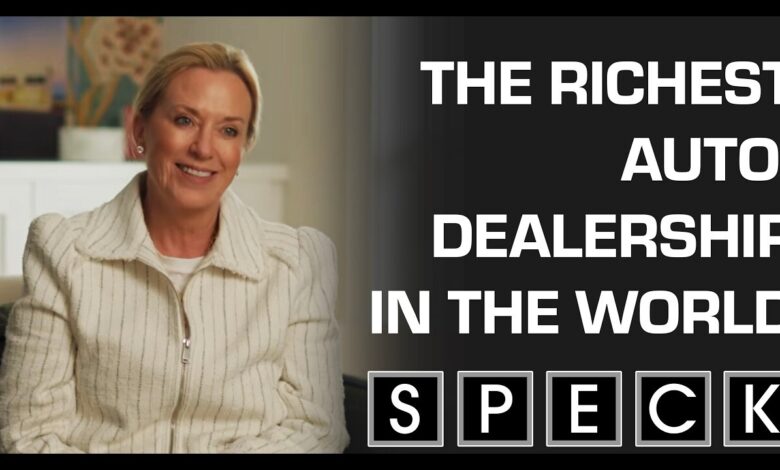
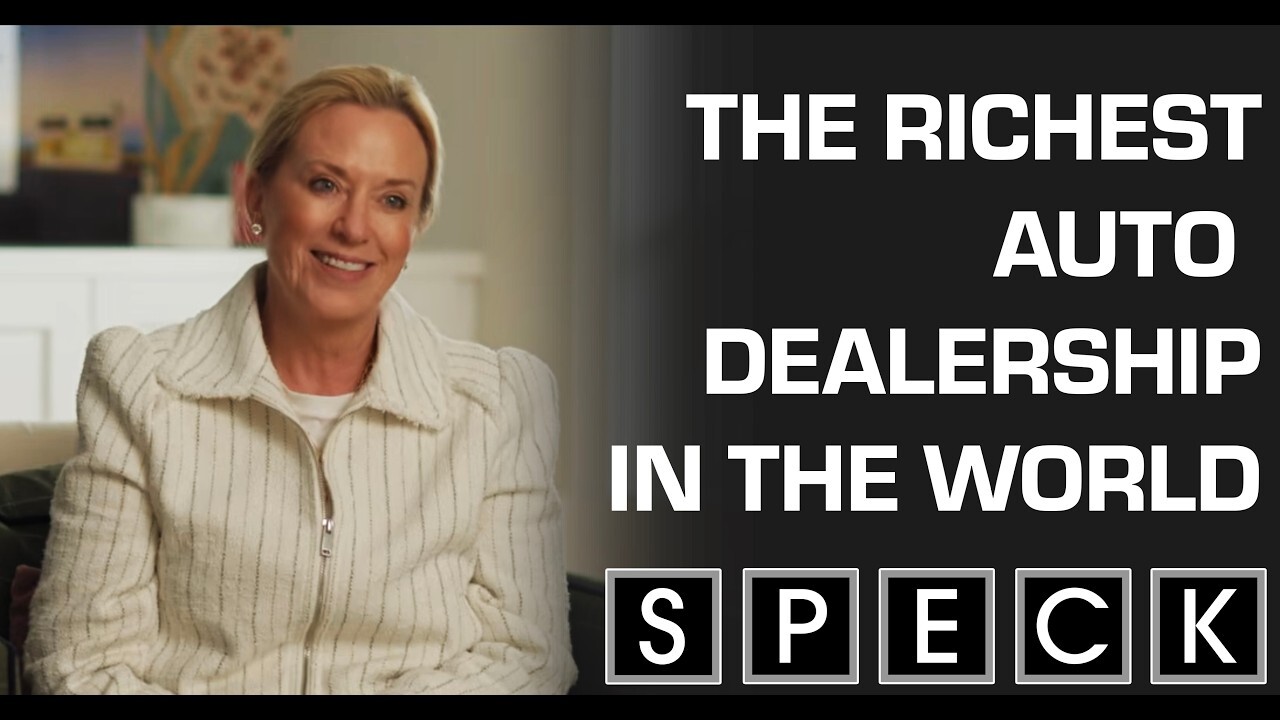
Fourth-generation owner Katy Moore continues that legacy. The dealership’s customer records include unusual down payments such as guns, rings, and cows, reflecting the different circumstances and practical arrangements that have been part of its business over the years.
The richest car dealership in America is an unusual description for a dealership whose story is rooted in a small Washington community. Yet its history demonstrates how a business can build value through relationships that last.
Adaptation During Difficult Times
Speck’s community role has not been limited to ordinary dealership operations.
During the Great Depression, the founder opened another dealership at a time when many businesses were struggling. The decision brought work and optimism to the area.
During World War II, the service operation shifted toward manufacturing equipment needed for the war effort. The dealership adapted its work to support a wider national need.
Both examples reveal a business willing to respond when circumstances require something beyond its usual services.
Why Long-Term Relationships Matter
Some Speck employees have worked with the organization for more than 50 years. Some customers have purchased vehicles through three generations of dealership owners.
That continuity matters because familiarity takes time to develop. Long-serving employees can retain knowledge of customers and local needs, while returning families have an established relationship with the business.
For the richest car dealership in America, this history of continuity is an important part of its reputation. It reflects relationships maintained through years of service rather than loyalty built through a single promotion.
Helping Farmers When Timing Matters
Speck’s location in an agricultural community also shapes the way it serves customers. When farm equipment breaks down during harvest, a delay can create serious problems for farmers.
The dealership has helped local farmers get back to work when equipment failures threaten to interrupt the harvest. This is a practical form of community support because it responds to a real pressure facing people whose livelihoods depend on reliable equipment.
Understanding those local demands is part of what makes a business useful beyond its storefront.
The Meaning Behind Community Wealth
Katy Moore has described Speck’s philosophy with a simple statement: “It’s where we live. It’s the people we know.”
That perspective helps explain why community involvement is woven into the dealership’s history. The people it serves are not an abstract audience. They are customers, employees, farmers, families, and local institutions connected to the same place.
Speck’s contributions also show different ways a business can respond to community needs: creating work during an economic downturn, adapting during wartime, supporting local cancer care, and helping farmers during harvest.
Making Community Commitment Part of Business Practice
Community support can be more meaningful when it is connected to a clear action and a tangible result. Speck’s October contribution to the cancer center is one example: dealership sales and service activity helped fund diagnostic software for a local healthcare institution.
This approach gives community involvement a practical purpose. It connects the business, its customers, and a local organization around a need that can be identified.
The richest car dealership in America is therefore a story about more than financial success. It is also about using the resources and relationships of a business to make a difference in the place where it operates.
Final Thoughts
Speck Dealerships has served Sunnyside for more than a century, adapting to changing circumstances while maintaining relationships with employees, customers, farmers, and local institutions.
Its history shows that community commitment does not have to be a separate activity from running a business. It can be reflected in how a company responds to hardship, supports local services, and helps people keep working.
For Speck, that lasting connection is captured in Katy Moore’s words: “It’s where we live. It’s the people we know.”
Related reading on techieclouds.com: How dealerships build client trust; Business leadership growth insights.